The @import Element – When Is It Used In CSS? Discover how the @import rule lets you modularize and combine your CSS files like a pro! nanadwumor comment(s) Function: The @import rule loads one stylesheet inside another. Placement: It must always appear before...
The Style Element in CSS Learn how to quickly add CSS directly to your HTML using the <style> element without any external files required! comment(s) Definition: The <style> element adds embedded CSS directly inside an HTML document’s <head>....
Alternate Stylesheets in CSS Discover how native HTML and CSS allow users to switch website themes effortlessly without JavaScript! comment(s) Persistent Stylesheets: Have no title and are always active. Preferred Stylesheets: Have a title and set the initial...
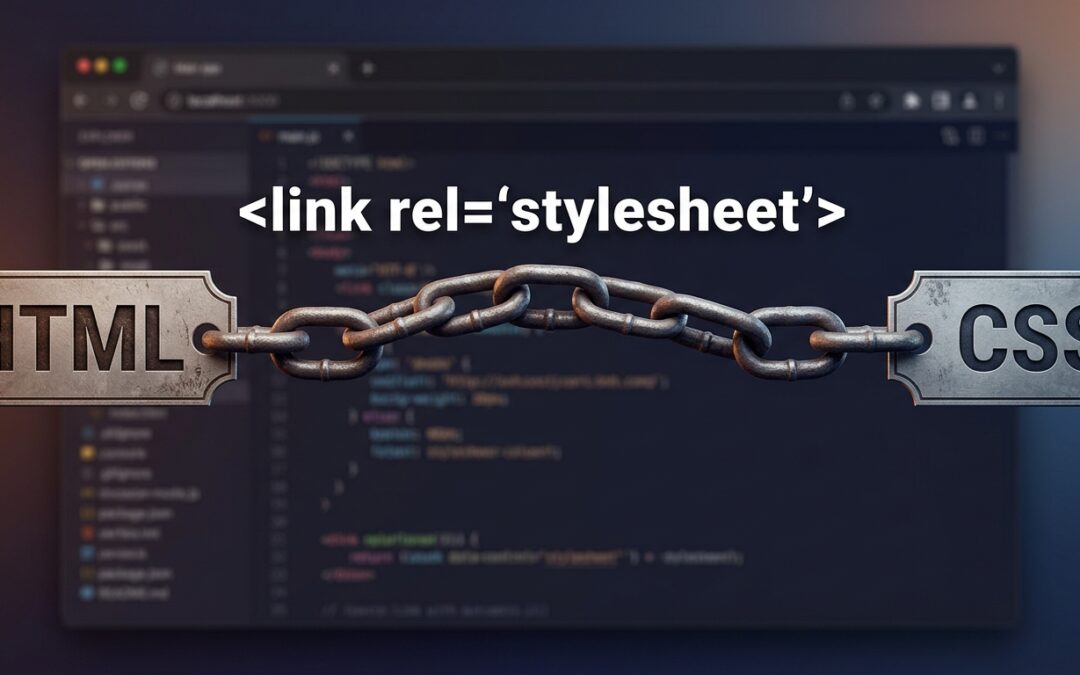
The Link Element Without the <link> element connecting your HTML structure to your CSS design, your webpage is just a skeleton waiting for its style. comment(s) External Stylesheets: Separate CSS files style multiple pages simultaneously. The <link>...
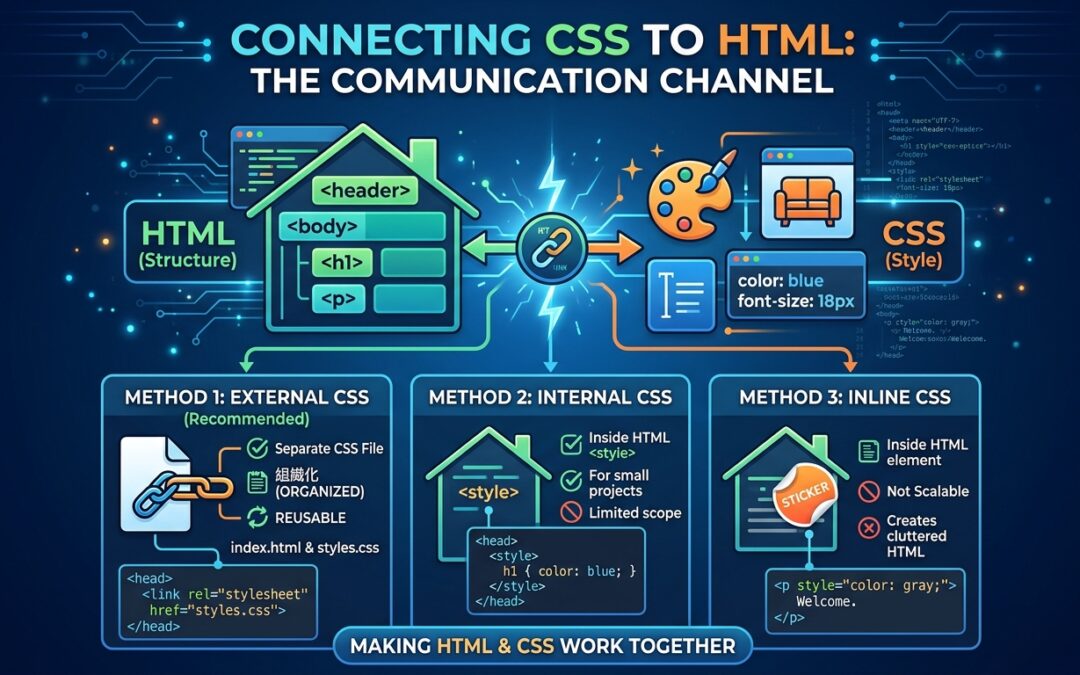
Connecting CSS to HTML Without HTML to build the structure and CSS to paint the picture, your website is just invisible code waiting for a connection. nanadwumor comment(s) HTML provides structure, while CSS controls appearance. External CSS links a separate file...
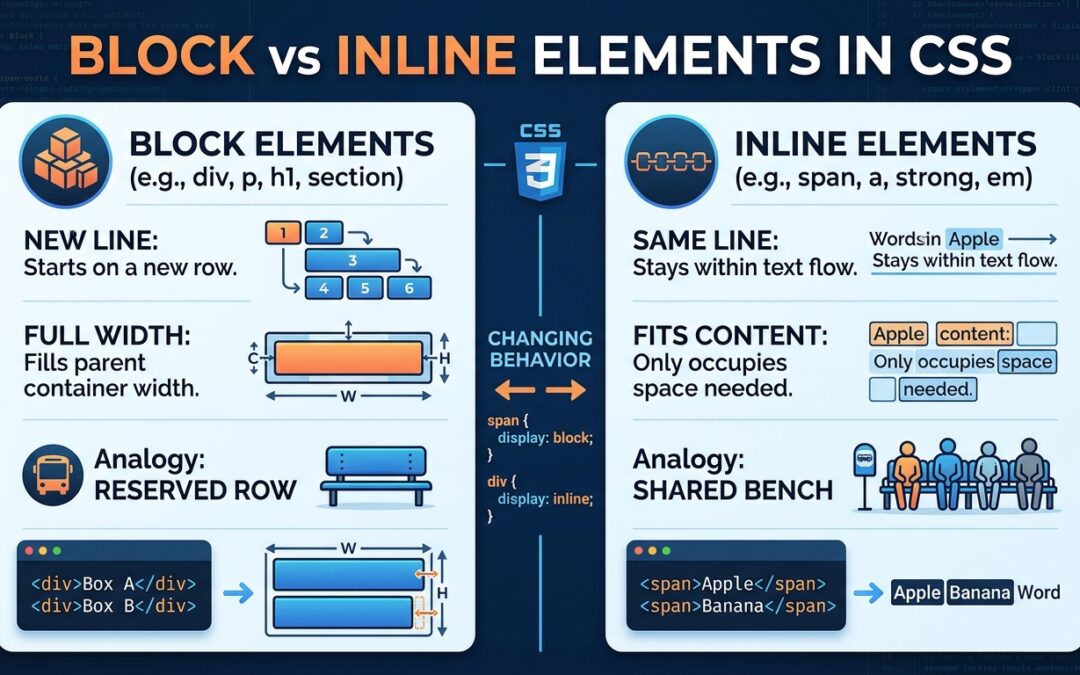
Understanding Block and inline Elements Ever wonder why some HTML elements hog the whole line while others sit side-by-side like best friends? comment(s) Display Roles: Determine how HTML elements handle layout, spacing, and width. Block Elements: Start on new lines...




Recent Comments